
🌿 Aromas in Traditional Chinese Medicine
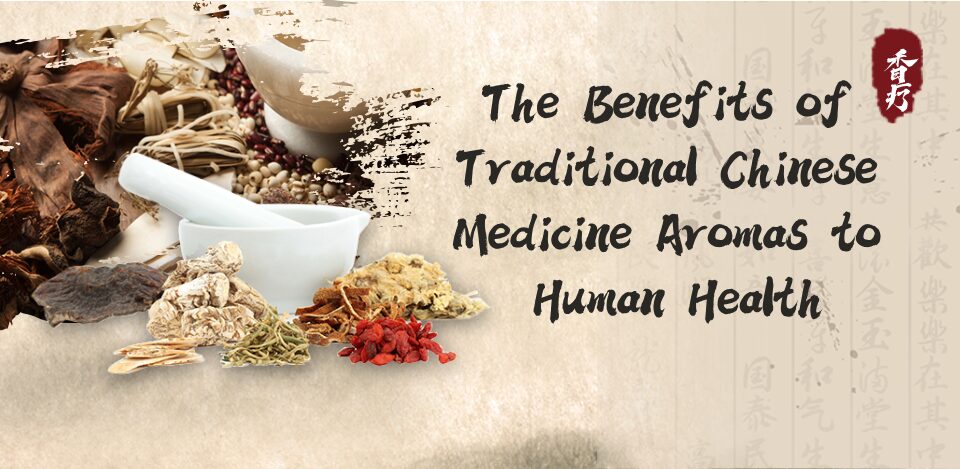
An Educational Overview of TCM Fragrance and Volatile Compounds
In Traditional Chinese Medicine (TCM), aromas derived from herbs and natural materials are traditionally used in various wellness-related practices. These aromas are associated with volatile compounds found in plants, such as essential oils and natural aromatic substances.
This article provides an educational overview of the composition, traditional understanding, and common applications of TCM-related aromas.
⚠️ Disclaimer: This article is for educational purposes only. It does not provide medical diagnosis, treatment, or guaranteed health outcomes. Always consult qualified professionals for any health concerns.
🌱 I. Sources and Composition of TCM Aromas
In traditional herbal practice, aromas are generally associated with natural volatile compounds found in plants.
These may include:
- 🌿 Essential oils extracted from herbs
- 🌸 Natural aromatic plant compounds
- 🌱 Volatile substances released through heating or processing
📌 Examples in traditional herbal materials include mugwort, osmanthus, and cyperus, which contain naturally occurring aromatic components.
🌿 II. Traditional Understanding of TCM Aromas
In TCM tradition, aromas are often described as part of sensory-based wellness practices.
They are traditionally associated with:
- 🌬️ Sensory stimulation through smell
- 🧘 Relaxation and comfort experiences
- 🌿 Environmental and lifestyle balance concepts
📌 These interpretations are based on traditional theory and cultural practice.
🌸 III. Common Aromatic Materials in Traditional Use
🌿 1. Mugwort (Ai Ye)
Traditionally used in various cultural practices involving heat and fragrance.
🌸 2. Osmanthus
Known for its naturally pleasant aroma in traditional herbal contexts.
🌱 3. Cyperus (Xiang Fu)
Used in classical herbal traditions as part of aromatic formulations.
📌 These materials are discussed in historical TCM literature for their aromatic properties.
🧘 IV. Traditional Applications of Aromatic Practices
TCM-related aromatic practices are often used in different traditional formats.
🔥 1. Incense or Herb Burning
Aromatic materials may be gently heated to release fragrance into the air.
This practice is traditionally associated with:
- 🌬️ Environmental fragrance experience
- 🧘 Relaxation practices
- 🌿 Traditional cultural rituals
🎒 2. Herbal Sachets
Herbal materials may be placed in small fabric bags for portable fragrance use.
Traditionally, this is associated with:
- 🌿 Personal fragrance enjoyment
- 🧘 Cultural wellness practices
- 🎒 Everyday carrying convenience
💆 3. Essential Oil Massage (Diluted Use)
In modern integrative wellness settings, diluted plant oils are sometimes used in massage contexts.
This is generally associated with:
- 🧘 Relaxation practices
- 💆 Physical comfort experiences
- 🌿 Aromatic sensory stimulation
🌬️ 4. Steam-Based Aromatic Methods
Aromatic materials may be used in steam or warm-water environments.
Traditionally, this is associated with:
- 🌬️ Sensory inhalation experience
- 🧘 Relaxation routines
- 🌿 General wellness practices
🌍 V. Why People Explore TCM Aromatic Practices
Many individuals are interested in TCM aromatic concepts for:
- 🌿 Cultural and historical learning
- 🧘 Relaxation and lifestyle practices
- 🌸 Sensory wellness experiences
- 🌏 Traditional herbal knowledge exploration
📌 These practices are generally used as complementary lifestyle approaches.
⚠️ Important Considerations
- 🌿 Effects may vary between individuals
- 🧘 These practices are not medical treatments
- 🏥 They should not replace professional healthcare
- 📌 Proper usage and guidance are recommended for herbal materials
🌟 Conclusion
Aromas in Traditional Chinese Medicine are associated with natural plant compounds and long-standing cultural practices. These aromatic materials are traditionally used in various lifestyle and sensory-based wellness approaches.
Rather than being viewed as medical treatments, they are part of a broader traditional framework focused on balance, environment, and sensory experience.